
KNOWLEDGE CENTER
What infrastructure is needed for a multi-city
brand activation or touring event?

Multi-city brand activations and touring events need repeatable infrastructure that can be packed, shipped, installed, documented, and rebuilt consistently across venues. Smartstage supports agencies, brands, and production teams with modular staging, truss, platforms, ramps, media risers, turntables, and rental-ready kits designed for repeatable deployment. Here are some important considerations to keep in mind...
REPEATABLE STRATEGY
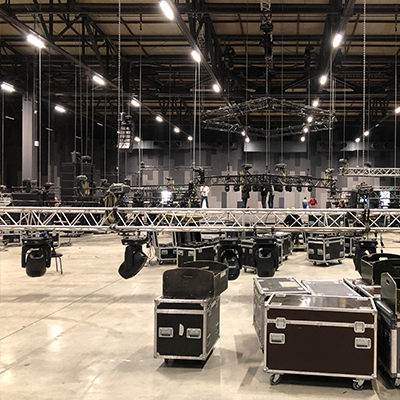
A multi-city event becomes easier to manage when the core infrastructure is designed as a repeatable kit rather than rebuilt for every location. Modular stages, platforms, stairs, ramps, truss, and supporting components can be organized around a standard configuration that travels with the production plan. Individual components can then be added, removed, or repositioned to accommodate different venue footprints and requirements. This gives production teams a known starting point before arriving in each market. A repeatable kit also makes equipment requirements, installation procedures, and transportation needs easier to anticipate.
CAD LAYOUT
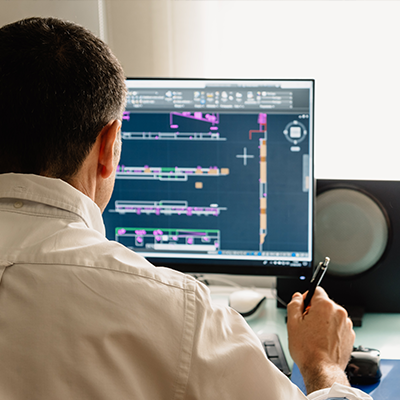
Clear documentation helps ensure that the same production concept can be communicated and reproduced across different venues and installation teams. CAD drawings and layout documents can establish stage dimensions, elevations, access points, equipment locations, ramp configurations, truss placement, and other important infrastructure details. These documents provide a common reference for agencies, producers, venues, AV partners, and installation crews throughout the tour. Venue-specific changes can then be incorporated. Maintaining updated documentation also helps preserve consistency as the production moves between markets.
PACKAGING & LOGISTICS

Touring infrastructure should be planned around transport and handling. Equipment quantities, component sizes, packing methods, loading access, transportation schedules, installation windows, and strike requirements can all influence how efficiently a system moves between locations. Modular equipment allows production teams to organize infrastructure into predictable groups that can be accounted for throughout the tour. Planning these logistics early can reduce unnecessary handling and help teams prepare for tighter schedules. It also makes the physical movement of the infrastructure part of the production plan rather than a separate concern.
MARKET CONSISTENCY
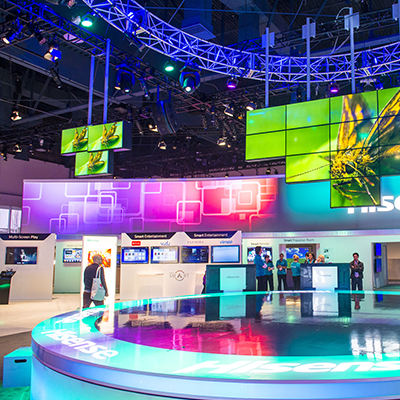
Brands, agencies, and similar activation teams often want an activation to feel consistent even when the physical environment changes from city to city. Standardized staging and infrastructure can preserve important dimensions, elevations, presentation areas, product positions, and audience relationships while still allowing adjustments for individual venues. This provides a stable physical foundation for creative, AV, lighting, signage, and branded elements. Production teams can adapt where necessary without changing the fundamental structure of the experience. The result is greater consistency for the brand while retaining flexibility across different markets.
SAFETY & ACCESS
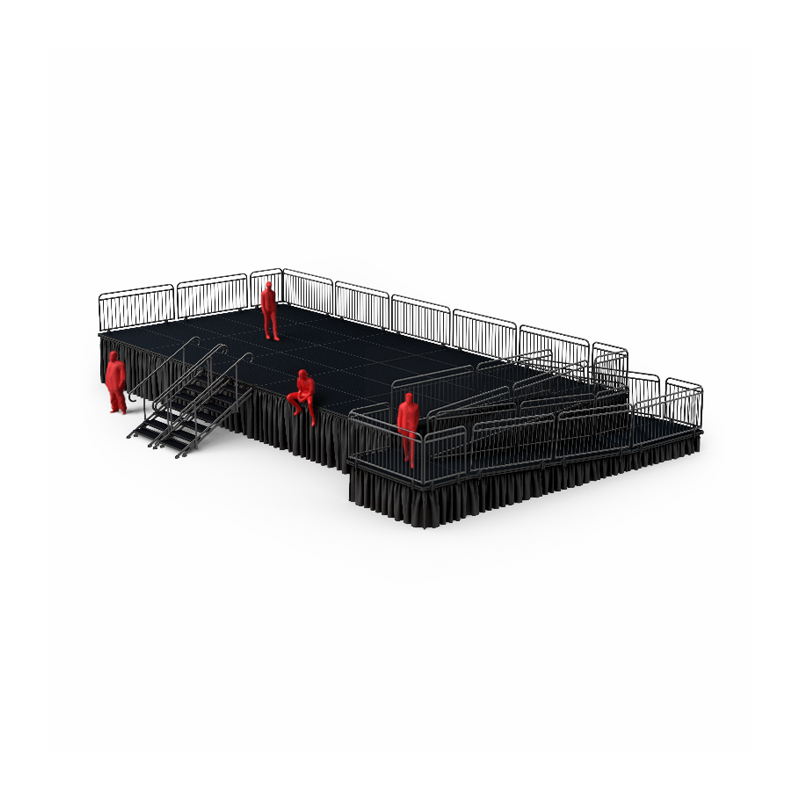
Each venue can introduce different access paths, floor conditions, loading procedures, audience circulation patterns, and accessibility requirements. Stairs, guardrails, Americans with Disabilities Act (ADA) ramps, landings, elevated platforms, and other access components should therefore be considered as part of the infrastructure plan from the beginning. A repeatable system can establish baseline access configurations while still allowing adjustments for each venue. Reviewing these requirements before deployment helps identify potential conflicts with the planned layout. This allows accessibility and practical event operations to remain integrated between locations.
GOOD STUFF? SHARE IT!
Yeah, we thought this was pretty cool too. Why not share it?